


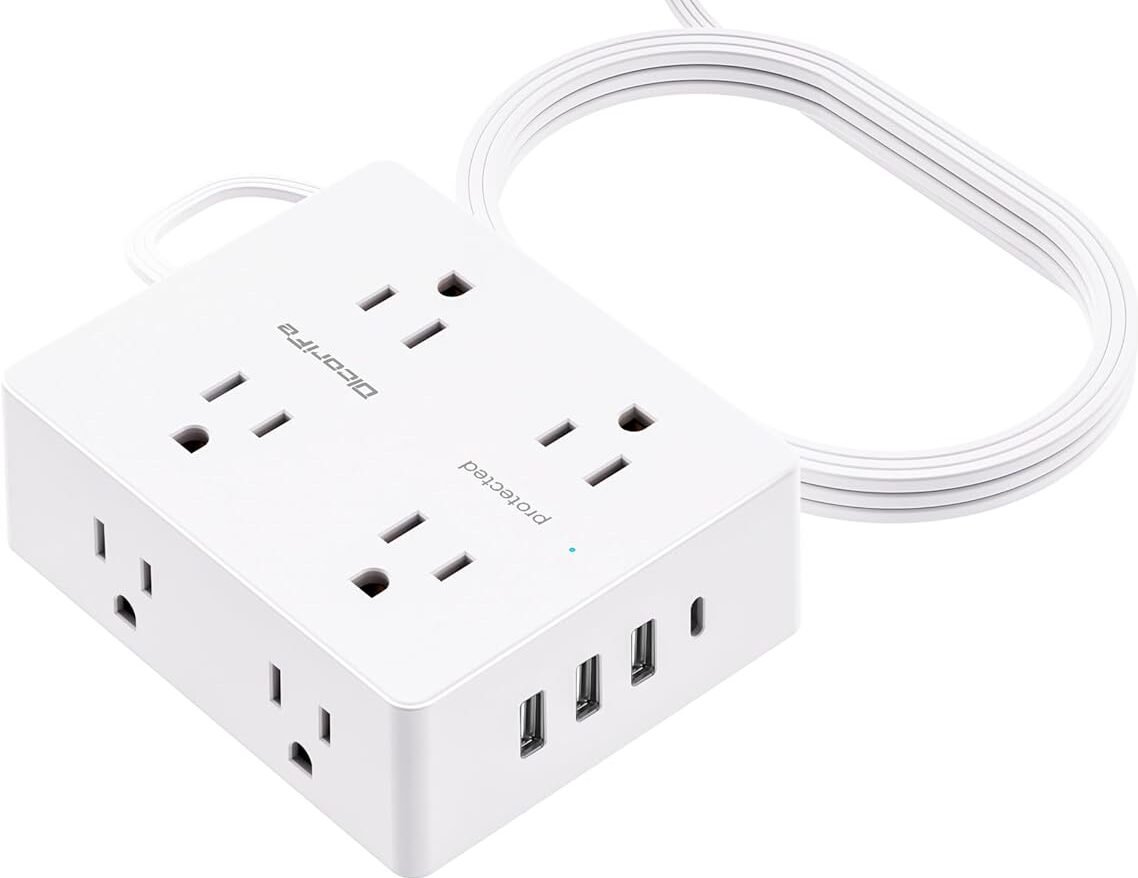
ultra-thin flat extension cord with plug

Ultra-Thin Flat Extension Cord With Plug: The Small Design Detail That Makes a Room Feel More Finished

There is an awkward truth about beautifully designed interiors: eventually, something has to be plugged in. The sculptural floor lamp beside the sofa, the charger on a streamlined nightstand, the television mounted against an immaculate wall—all depend on electrical connections that are rarely as elegant as the objects they power. Traditional plugs and bulky cords can become surprisingly disruptive when furniture sits close to a wall. A sofa may need to move forward. A nightstand develops an unnecessary gap behind it. A cord bends awkwardly beside a cabinet. Suddenly, a carefully considered room is being arranged around an electrical plug. This is precisely where an ultra-thin flat extension cord with plug becomes interesting. It belongs to a category of household accessories that rarely receives design attention, yet can influence how cleanly furniture, technology, and architecture coexist. The idea is straightforward: certain flat-plug extension cords use a lower-profile plug body intended to project less from an outlet than many conventional straight plugs. Some products also incorporate flat or streamlined cord designs intended to make routing less visually intrusive. But—and this matters enormously—“ultra-thin” is a product description, not a universal electrical specification. Dimensions, electrical ratings, wire gauge, outlet configuration, certifications, and intended uses vary. A sophisticated installation begins not with appearance but with choosing a product properly rated for the equipment and environment in which it will be used.

“The most successful interiors don’t eliminate technology. They integrate it so gracefully that it stops demanding attention.”
EDITOR’S NOTE: A low-profile plug can solve a spatial problem, but it should never create an electrical one. Always follow the extension cord manufacturer’s ratings, warnings, and installation instructions.

THE DESIGN PRINCIPLE: The best utility accessories are not necessarily invisible. They are simply quiet enough to let the rest of the room take center stage.

The New Luxury Is Not Seeing the Infrastructure

Contemporary interiors have become increasingly disciplined. Furniture sits with intention. Television installations are cleaner. Nightstands are smaller. Consoles appear lighter. Even workspaces are expected to transition gracefully between productivity and domestic life. Against that backdrop, cable clutter feels increasingly dated. An ultra-thin flat extension cord with plug addresses one part of this visual problem by reconsidering the geometry of the electrical connection itself. Where compatible with the outlet location and manufacturer instructions, a low-profile plug may allow certain furniture arrangements to sit closer to a wall than they could with a more projecting plug. That can matter behind a bedside table, desk, media console, or other appropriately positioned furniture. A few centimeters of unnecessary projection may seem insignificant until they create a visible gap along an otherwise clean architectural line. Still, the aesthetic appeal should not tempt you into treating every extension cord as interchangeable.

DESIGN HIGHLIGHT A flatter profile is valuable only when the cord also satisfies the electrical requirements of the intended application. Check voltage and current ratings, wattage limits where specified, wire gauge, grounding configuration, cord length, and applicable safety markings before use.

The lesson is almost architectural: good design begins with constraints. You do not choose a structural material because it looks beautiful and then wonder whether it can carry the load. Electrical accessories deserve the same hierarchy of thinking. Performance first; visual refinement second. When both are resolved, however, the effect can be wonderfully understated. The furniture returns closer to its intended position. The cable becomes less dominant. The eye moves toward the lamp, artwork, upholstery, or architecture rather than toward the infrastructure supporting them.

“True visual calm is created by resolving the details most people assume they simply have to tolerate.”

Don't wait! Get Best Deals NOW!

Are you looking for the best prices on the products you love? Then you don't want to miss this opportunity. . Hurry, these deals won't last long. DON'T WAIT! GET BEST DEALS NOW!

Where a Flat Extension Cord Earns Its Place

Not every outlet needs an extension cord, and not every room benefits from adding one. The smartest use begins with a specific problem rather than the desire to add another accessory. Perhaps the nearest accessible receptacle is farther from a lamp than expected. Maybe a conventional plug configuration conflicts with the intended placement of appropriately spaced furniture. Or perhaps a temporary home-office setup requires a properly rated connection without allowing an oversized plug to dominate a highly visible area. These are situations where a thoughtfully selected product may earn its place. Length deserves particular attention. Longer is not automatically better. Excess cable has to go somewhere, and unnecessary length can introduce clutter rather than eliminate it. Measure the required route before purchasing and select a suitable length instead of defaulting to the longest option available. The same discipline applies to outlet count. More receptacles may look convenient, but they do not increase the electrical capacity of the branch circuit or extension cord. The connected equipment must remain within the product’s specified limits.

EDITOR’S NOTE: Never run an extension cord under rugs or carpeting, through walls, ceilings, floors, doorways, or other locations prohibited by its instructions. Avoid pinching, crushing, covering, or placing a cord where it can be damaged.

There is also a meaningful distinction between an extension cord and permanent wiring. Extension cords are generally intended as temporary wiring solutions, not substitutes for properly located permanent receptacles. If a room continually depends on an extension cord for the same fixed arrangement, having the electrical setup evaluated by a qualified professional may be the more appropriate long-term solution. THE MOST ELEGANT SOLUTION IS NOT ALWAYS A BETTER CORD. SOMETIMES IT IS A BETTER-PLACED OUTLET. That perspective separates thoughtful design from clever concealment. The objective should never be to hide electrical infrastructure at any cost. It should be to integrate power safely and intelligently into the way a space is actually used.

What to Look for Before You Buy—or Bid

Online listings make flat extension cords look deceptively similar. A sleek white cord photographed against a minimal background can appear almost identical to another product several listings away. The meaningful differences are usually found in the specifications. Begin with the plug configuration. Is it grounded if your intended equipment requires grounding? Confirm the electrical rating and the product’s stated maximum load. Review cord gauge and length. Check the number and configuration of receptacles. Look for safety certification or listing information applicable to your market and verify the manufacturer’s intended environment, such as indoor or outdoor use.

THE FIVE-POINT CHECK
  • Electrical rating and maximum permitted load
  • Plug and grounding configuration
  • Wire gauge and cord length
  • Applicable safety certification or listing information
  • Manufacturer’s installation and usage restrictions

If you’re shopping through an auction marketplace, condition becomes equally important. Inspect listing photographs carefully. A used electrical cord with damaged insulation, a loose plug, exposed conductors, discoloration, deformation, or other signs of deterioration should not be treated as an attractive bargain simply because the bid is low. New products should also be checked against the description. Confirm that the model shown matches the specifications provided and that you’re purchasing the quantity you expect. Then calculate the complete price. Auction fees, delivery, or collection costs can alter the economics of what initially looks like an inexpensive household purchase.

“A bargain is only beautiful when it remains a good decision after the excitement of buying has disappeared.”

And resist the temptation to buy purely because the phrase “ultra-thin” sounds sophisticated. If the product listing provides actual dimensions, use them. Measure the available clearance and compare it with your intended arrangement. Product photography can communicate style; measurements communicate whether the idea will actually work.

Disclosure: The links provided above are affiliated. If you make a purchase through these links, I may receive a small commission at no additional cost to you. This helps support our website and allows us to continue providing valuable content on outdoor adventures.

MORE DEALS IN THIS CATEGORY

The Detail You Notice Most When It Is Finally Resolved

The irony of an ultra-thin flat extension cord with plug is that success makes it less interesting. Once properly selected and safely positioned, it recedes. The nightstand looks intentional again. The workspace becomes calmer. The lamp seems connected to the room rather than tethered awkwardly across it. You stop noticing the electrical compromise and return to noticing the space. That is what thoughtful utility design does at its best. It does not demand admiration. It removes friction.

EDITOR’S NOTE: Interior design increasingly depends on graceful integration of everyday technology. The goal isn’t to pretend cords and outlets don’t exist; it’s to plan for them as carefully as lighting, furniture, and storage.

This is why such an ordinary accessory can feel surprisingly contemporary. Modern homes contain more devices than ever, yet visually successful rooms increasingly aspire to fewer distractions. The tension between those two realities creates demand for products that make infrastructure feel quieter. GOOD DESIGN IS OFTEN NOT ABOUT WHAT YOU ADD TO A ROOM. IT IS ABOUT WHAT YOU NO LONGER HAVE TO SEE. Choose the right specifications. Measure before buying. Respect electrical ratings and installation instructions. And if the product is being purchased at auction, inspect its condition and calculate its real cost before bidding. Do all of that, and a flat extension cord becomes exactly what a well-designed utility product should be: *safe for its intended use, appropriately specified, visually restrained, and almost entirely forgotten once the room comes together.* Browse our current auction listings, compare available ultra-thin flat extension cords with plugs, and bid on the option whose specifications, condition, and design fit your space.

No Comments

Sorry, the comment form is closed at this time.