

Car Compressor

Car Compressor: An Expert Explains What Every Driver Should Know

->>>Car Compressor <<<-

A car compressor is one of those tools many drivers barely think about—until a tire needs air. Then portability, pressure accuracy, power supply, and inflation performance suddenly matter a great deal. But portable compressors vary considerably. Some are compact inflators intended primarily for passenger-car tires. Others offer different power sources, higher pressure capabilities, larger housings, or additional functions. So what should you actually look for? For this expert-style interview, we break down the practical questions drivers should ask before choosing a portable car compressor.

“Don’t choose a compressor because it has the biggest number printed on the box. Choose it because its specifications match the job you actually need it to perform.”

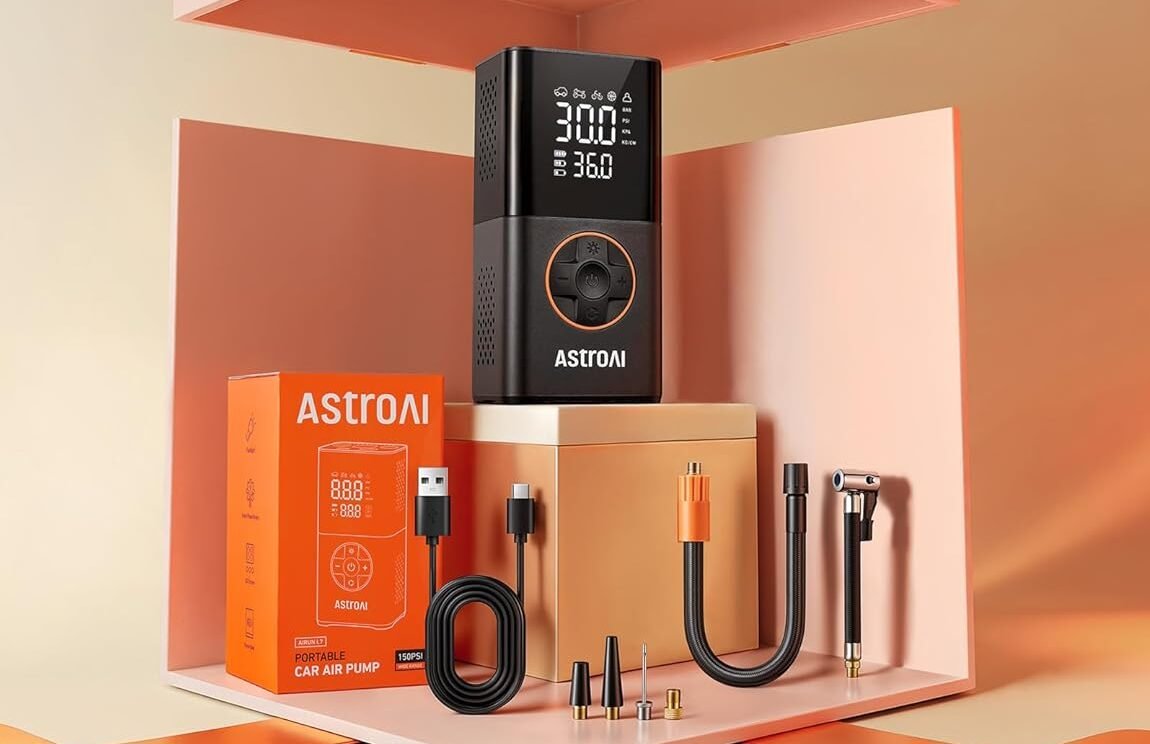
Q: Let’s start with the basics. What exactly is a car compressor? A: In everyday automotive shopping, the term usually refers to a compact air compressor or tire inflator that can be used to add air to compatible vehicle tires. Depending on the model, power may come from a vehicle’s 12-volt socket, direct battery connection, a rechargeable battery, an AC source, or another system specified by the manufacturer. The key word is compatible. Not every portable compressor is suitable for every tire, vehicle, or inflation task. You need to compare the compressor’s specifications with the requirements of your vehicle. Q: Why would a driver want to keep one in the vehicle? A: Convenience is the biggest reason. If you discover that a tire needs air, having an appropriate inflator available may allow you to correct pressure without first searching for an available public air station. It’s also useful for routine maintenance. Tire pressure can change over time and with temperature conditions, so checking it regularly is part of responsible vehicle ownership.

EXPERT TIP: A compressor adds air; it does not diagnose why pressure was lost. If a tire repeatedly loses pressure, has visible damage, or appears unsafe, it should be professionally inspected.

Q: How do I know the correct pressure for my tires? A: Use the vehicle manufacturer’s specified cold-tire pressure. This information is commonly shown on the vehicle’s tire-information placard and in the owner’s manual. Do not simply inflate the tire to the maximum pressure molded into the tire sidewall. That marking serves a different purpose and should not be substituted for the vehicle manufacturer’s recommended operating pressure.

“The correct target isn’t the largest PSI number you can find. It’s the pressure specified for your vehicle and tires.”

Q: Is maximum PSI the most important compressor specification? A: No. Maximum pressure is easy to advertise, but it tells only part of the story. You should also consider the compressor’s intended tire sizes, airflow or inflation performance where specified, duty cycle, power requirements, hose length, cable length, gauge design, and operating instructions. A very high advertised maximum PSI does not automatically mean a compressor will inflate your particular tire quickly or that it is the best choice for your vehicle.

Don't wait! Get Best Deals NOW!

Are you looking for the best prices on the products you love? Then you don't want to miss this opportunity. . Hurry, these deals won't last long. DON'T WAIT! GET BEST DEALS NOW!

Q: What does duty cycle mean? A: Compressors generate heat while operating, and many portable models are not designed to run continuously for unlimited periods. The duty cycle or operating instructions indicate how long the unit may operate before it needs a cooling period. This is particularly important when inflating several tires or adding substantial amounts of air.

EXPERT TIP: Read the operating-time and cooling instructions before you actually need the compressor. Overheating a unit because you’re trying to finish “just one more tire” can damage the equipment or create a safety issue.

Q: Which is better: a 12V or cordless car compressor? A: Neither is universally better. A compatible 12V model can be practical because it draws power from the vehicle according to its specified connection method. You don’t have to remember to recharge an internal battery. A cordless compressor provides freedom from a power cable and can be convenient around the vehicle, but its usefulness depends on battery charge and condition. The best choice depends on how and where you expect to use it. Q: Should I look for automatic shutoff? A: It can be a convenient feature. Some digital inflators allow the user to select a target pressure and are designed to stop automatically when that setting is reached. However, features differ by model. Read the instructions and understand how the particular system operates rather than assuming every automatic mode functions identically. It’s also sensible to verify tire pressure with an appropriate gauge as recommended for your maintenance routine. Q: How important is the built-in pressure gauge? A: Very important for usability, because you need to know the pressure while adding air. Gauges may be digital or analog and can differ in readability, resolution, and accuracy. If pressure accuracy is a priority, look for published specifications rather than assuming a digital display is automatically more accurate simply because it shows more digits. Q: What about inflation speed? A: This is an area where buyers should read product specifications carefully. Inflation time depends on the compressor, starting pressure, target pressure, tire volume, temperature, and other operating conditions. A manufacturer may publish inflation-time examples under defined test conditions. Those figures can be useful for comparison, but they should not be interpreted as guaranteed performance for every vehicle.

EXPERT TIP: If you drive a vehicle with larger tires, don’t assume a compact inflator marketed for passenger cars will provide the performance you want. Check the manufacturer’s tire-size and application guidance.

Q: Does hose length matter? A: Absolutely. A compressor is only convenient if its hose and power connection can reach the tires comfortably. Before purchasing, consider where the compressor receives power and whether the combined cable and hose arrangement works with the dimensions of your vehicle. This can be especially important with larger vehicles.

Disclosure: The links provided above are affiliated. If you make a purchase through these links, I may receive a small commission at no additional cost to you. This helps support our website and allows us to continue providing valuable content on outdoor adventures.

MORE DEALS IN THIS CATEGORY

Q: Can a car compressor repair a flat tire?

A: A basic compressor only supplies air. It does not repair punctures, damaged sidewalls, leaking valves, bent wheels, or other causes of pressure loss.

There are separate tire-repair systems and combination products, but they should not be confused with a standard inflator.

If a tire cannot safely retain air, inflation alone does not solve the underlying problem.

“Air can restore pressure. It cannot restore damaged tire structure.”

Q: Can I use a compressor when a tire is completely flat?

A: That depends on why it is flat and its condition. A severely deflated tire may have suffered damage, may have separated from the wheel bead, or may have another problem that makes simply reinflating it inappropriate.

Inspect the situation and follow your vehicle and tire manufacturer’s guidance. If you’re uncertain about the tire’s condition, professional roadside or tire assistance is the safer choice.

Q: Are portable compressors useful for anything besides car tires?

A: Some models include adapters for other compatible inflatable products. However, pressure and airflow requirements vary considerably between applications.

Only use a compressor for applications specifically permitted by its manufacturer and with the correct attachments.

Q: What features are genuinely useful?

A: That depends on your priorities, but practical features may include an easy-to-read gauge, automatic shutoff, adequate hose and power-cable length, integrated storage, lighting, and a compact carrying design.

I would prioritize core performance and compatibility before extras. A built-in light is convenient; a compressor appropriately specified for your tires is essential.

EXPERT TIP: Build your shortlist around four fundamentals: compatibility, power source, operating performance, and ease of reaching every tire. Compare convenience features afterward.

Q: Where should a car compressor be stored?

A: Follow the manufacturer’s storage guidance. In general, you want the compressor protected from conditions that could damage the unit, cable, hose, battery, or accessories.

Keep all required adapters and instructions together so the compressor is ready when needed. A tool hidden somewhere in the vehicle without the correct cable or adapter isn’t particularly useful.

Q: What should buyers check when purchasing a car compressor at auction?

A: Start with the exact model and specifications. Then examine condition carefully.

Check the listing for:

  • Power source and required connections
  • Pressure and performance specifications
  • Hose and cable condition
  • Included adapters and accessories
  • Gauge or display condition
  • Battery and charger, if applicable
  • Manufacturer documentation where available

With used electrical or mechanical equipment, visible damage should never be dismissed simply because the price is attractive.

Q: What’s the biggest mistake buyers make?

A: Buying by headline specifications alone.

A buyer sees a large PSI number, several accessories, or a low price and assumes the product must be suitable. A better approach is to work backward from the vehicle: determine your tire requirements and preferred power source, then find a compressor designed to meet them.

Q: So what makes a good car compressor?

A: The best car compressor is not necessarily the largest, fastest-looking, or most feature-packed model. It is one appropriately rated for your intended application, simple enough to operate confidently, portable enough to keep available, and reliable enough to be useful when you actually need it.

A portable car compressor can be a practical addition to a vehicle, particularly when you understand its limitations. It can help maintain appropriate tire pressure and provide convenient access to inflation, but it cannot repair tire damage or replace proper tire inspection and maintenance.

Before buying, compare the specifications with your vehicle requirements. Before using it, read the instructions. And before bidding on one at auction, check the model, condition, included components, and total purchase cost.

“Buy the compressor for the tires you actually drive on—not for the specifications that look most impressive on the package.”

Browse our current auction listings, compare available car compressors carefully, and bid on the model whose specifications and condition match your needs.

No Comments

Sorry, the comment form is closed at this time.