02 Nov Ultra-Soft Microfiber Polishing Cloth: A Case Study in Smarter Surface Care
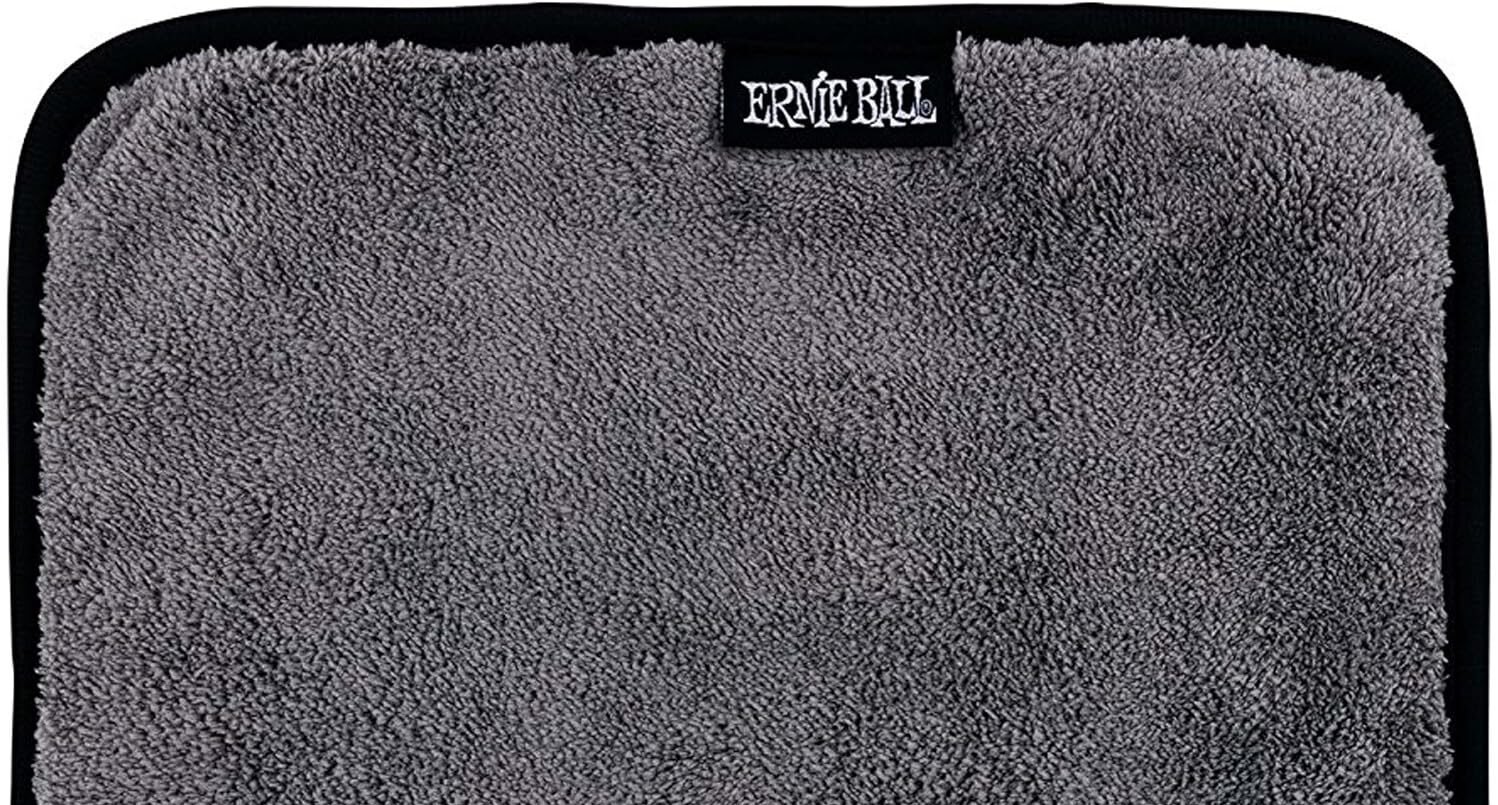
An ultra-soft microfiber polishing cloth may look like one of the simplest tools in a detailing kit. Yet the material touching a finished surface can influence how efficiently residue is removed, how easily the cloth moves across the surface, and how much control the user has during the final polishing stage.
This case study follows a representative weekend vehicle-detailing scenario. The example is illustrative rather than a laboratory test: the objective is to compare the workflow before and after introducing a clean, purpose-selected microfiber polishing cloth.
The Situation
The vehicle in this example was routinely washed at home and occasionally polished by hand. The owner had accumulated several general-purpose towels and used whichever one happened to be available when removing polish or completing the final wipe.
The process worked, but it lacked consistency. Some towels were relatively coarse, others had been washed many times, and several were also used for unrelated cleaning tasks.
The goal was straightforward: create a more controlled finishing routine without purchasing complicated equipment.
| Before | Target After |
|---|---|
| Mixed household towels | Dedicated microfiber polishing cloth |
| No separation by task | Cloth reserved for finishing work |
| Inconsistent towel condition | Clean cloth inspected before use |
| Frequent folding at random | Structured folding and surface rotation |
| Little attention to contamination | Inspection throughout the process |
BASELINE METRICS SUMMARY:
- 1 vehicle used for the example
- Multiple mixed-purpose towels in the previous routine
- No dedicated finishing cloth
- No standardized cloth-inspection sequence
- Primary objective: improve process consistency
Don't wait! Get Best Deals NOW!
The Challenge
The challenge was not simply removing visible residue. The owner wanted to minimize unnecessary contact with the finished surface while maintaining enough control to complete the job efficiently.
Microfiber is made from very fine synthetic fibers, commonly involving polyester and polyamide, although exact compositions vary. Cloths also differ in weave, pile, edge construction, density, dimensions, and intended application. Therefore, the word microfiber alone does not establish that every cloth is appropriate for every surface.
The first challenge was selecting a cloth intended for polishing or delicate finishing work. The second was keeping it clean during use.
Project Timeline: Stage 1 — Preparation
0–10 minutes: The vehicle surface was checked for visible contamination before polishing. The microfiber cloth was also inspected for dirt, debris, damaged fibers, and anything else that could interfere with the finishing process.
10–15 minutes: The cloth was folded to create multiple usable faces. This made it possible to rotate to a fresh section instead of continuing indefinitely with one increasingly loaded surface.
| Process Issue | Previous Approach | Revised Approach |
|---|---|---|
| Cloth Selection | Whatever towel was available | Purpose-selected microfiber |
| Cleanliness Check | Occasional | Before and during use |
| Working Surface | Unstructured | Multiple folded faces |
| Residue Buildup | Towel used longer | Fresh face used when needed |
CHALLENGE SUMMARY:
- Reduce uncontrolled surface contact
- Keep contaminated cloth sections from being repeatedly reused
- Create a repeatable finishing procedure
- Avoid treating softness alone as proof of suitability
The Solution
The revised process introduced an ultra-soft microfiber polishing cloth specifically reserved for finishing work. Rather than changing the entire detailing system, the experiment focused on improving the final contact point between the user and the surface.
The cloth was used according to the instructions for the applicable polishing product and surface. Light, controlled passes replaced repeated aggressive rubbing. As each working face accumulated residue, the cloth was refolded to expose a clean section.
Project Timeline: Stage 2 — Polishing
15–30 minutes: Work began section by section rather than across the entire vehicle at once. This made it easier to monitor residue and cloth condition.
30–45 minutes: The cloth was rotated as needed. If a section became visibly loaded, it was no longer used as the primary finishing face.
45–60 minutes: The completed areas were inspected under available lighting. Areas requiring additional attention were addressed individually instead of automatically wiping the entire surface again.
This change introduced a simple principle: every additional pass should have a reason.
| Before | After |
|---|---|
| Repeated wiping without a fixed method | Section-by-section process |
| Same towel face used extensively | Multiple clean faces rotated |
| Pressure adjusted by instinct | Light, controlled technique emphasized |
| Inspection mainly at completion | Inspection performed throughout |
| Finishing towel used for other jobs | Cloth dedicated to polishing |
Project Timeline: Stage 3 — Post-Use Care
After completion: The cloth was separated from dirtier cleaning textiles rather than thrown immediately into a mixed pile. It was then prepared for laundering according to its care instructions.
This stage matters because a high-quality microfiber cloth can only remain useful if it is maintained appropriately. Product-specific washing and drying instructions should always be followed.
SOLUTION METRICS:
- 1 dedicated cloth type introduced into the finishing workflow
- Multiple usable faces created through folding
- 3 structured stages: preparation, polishing, post-use care
- Surface and cloth inspected repeatedly rather than only at the end
The Results
The most meaningful improvement was consistency. The revised workflow created clear rules for which cloth to use, when to rotate it, and when to stop wiping.
The experiment does not establish that microfiber eliminates scratching, nor would such a claim be appropriate. Any cloth can pick up abrasive contamination, and compatibility depends on the surface, product, material, cleanliness, and technique.
What changed was the degree of control.
| Before | After |
|---|---|
| Mixed towels with uncertain history | Dedicated finishing cloth |
| Random cloth orientation | Structured folded faces |
| Residue sometimes spread during repeated wiping | Loaded faces rotated out of active use |
| Cleaning and polishing textiles mixed together | Task-specific separation |
| Process depended heavily on habit | Repeatable procedure established |
RESULTS:
- ✓ 3-stage workflow established
- ✓ Dedicated polishing cloth separated from general cleaning towels
- ✓ Multiple clean working faces available from one folded cloth
- ✓ More frequent visual inspection built into the process
- ✓ Unnecessary repeated passes reduced through section-by-section evaluation
METRICS SUMMARY: The clearest measurable change was procedural: the original routine had no standardized stages, while the revised method used three. Cloth selection moved from multiple mixed-purpose towels to a dedicated finishing category, and inspection changed from an occasional action to a repeated step throughout the process.

Disclosure: The links provided above are affiliated. If you make a purchase through these links, I may receive a small commission at no additional cost to you. This helps support our website and allows us to continue providing valuable content on outdoor adventures.
MORE DEALS IN THIS CATEGORY
Ultra-Soft Microfiber Polishing Cloth: A Case Study in Smarter Surface Care
This practical case study follows a typical vehicle-detailing session to examine how an ultra-soft microfiber polishing cloth changes the finishing process. Compare the before-and-
Toaster Solac – Buon Giorno 800 W: The Little Morning Upgrade That Changes Breakfast
Some kitchen appliances become useful not because they're complicated, but because they fit naturally into everyday life. Follow the story of how the Toaster Solac - Buon Giorno 80
Do Your Paper Towels Measure Up? Why Brawny Tear-A-Square Wins on Style, Strength & Smart Design
The Brawny Tear-A-Square 3-Ply Paper Towels deliver strength, absorbency, and versatility with a design-forward twist. Offering three sheet sizes in every roll, they help reduce wa
Seal It Right: A Step-by-Step Guide to Using Scotch Heavy Duty Packing Tape for a Stress-Free Move
The Scotch Heavy Duty Shipping Packing Tape with built-in dispensers offers secure, clear, and reliable sealing for all your moving and shipping needs. In this Martha Stewart-inspi
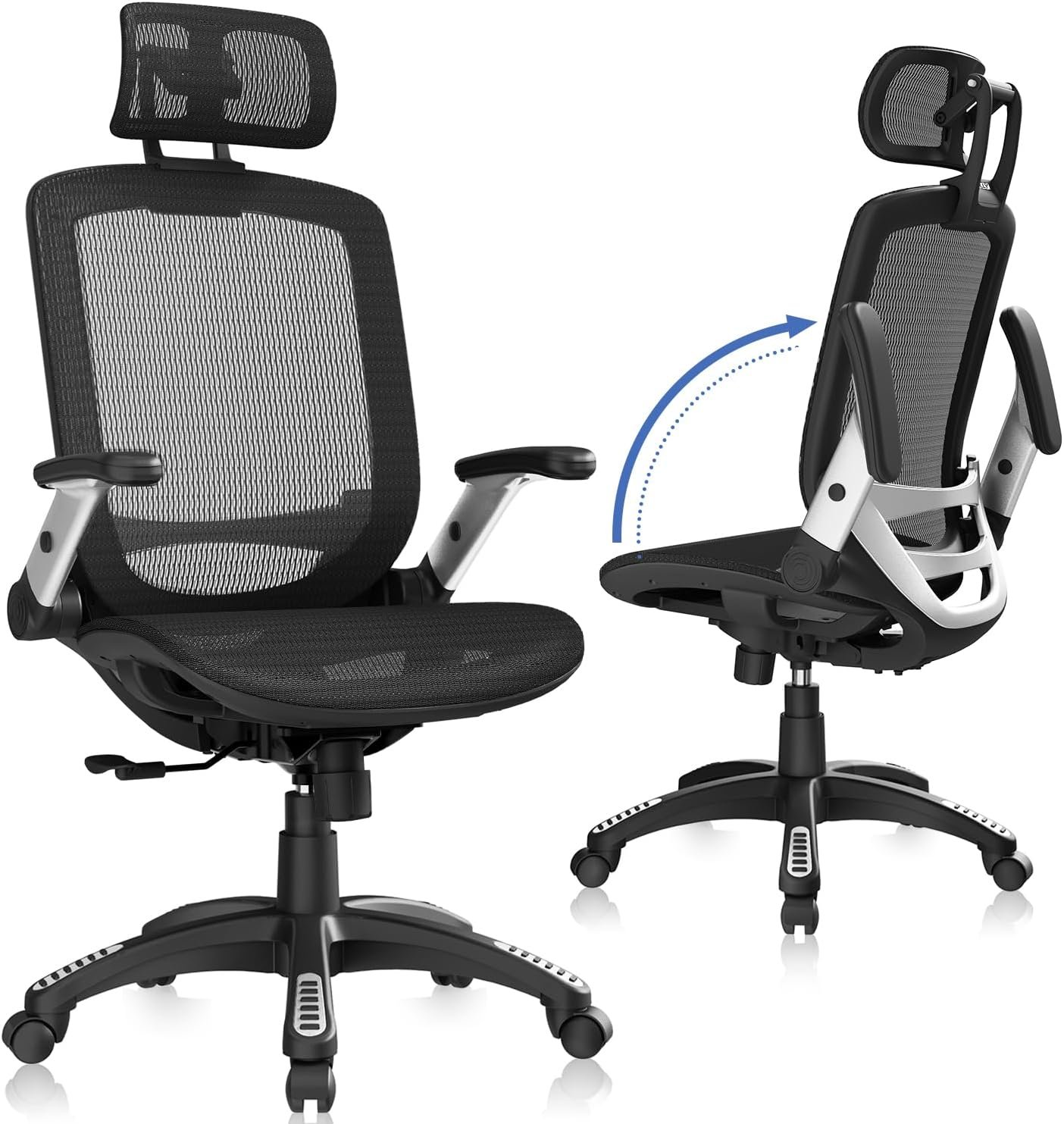
How the Right Chair Changed My Home Office for Good
The GABRYLLY Ergonomic Office Chair is a big-and-tall, breathable mesh desk chair with adjustable headrest, tilt-lock, and flip-up arms — perfect for long hours of focused work.
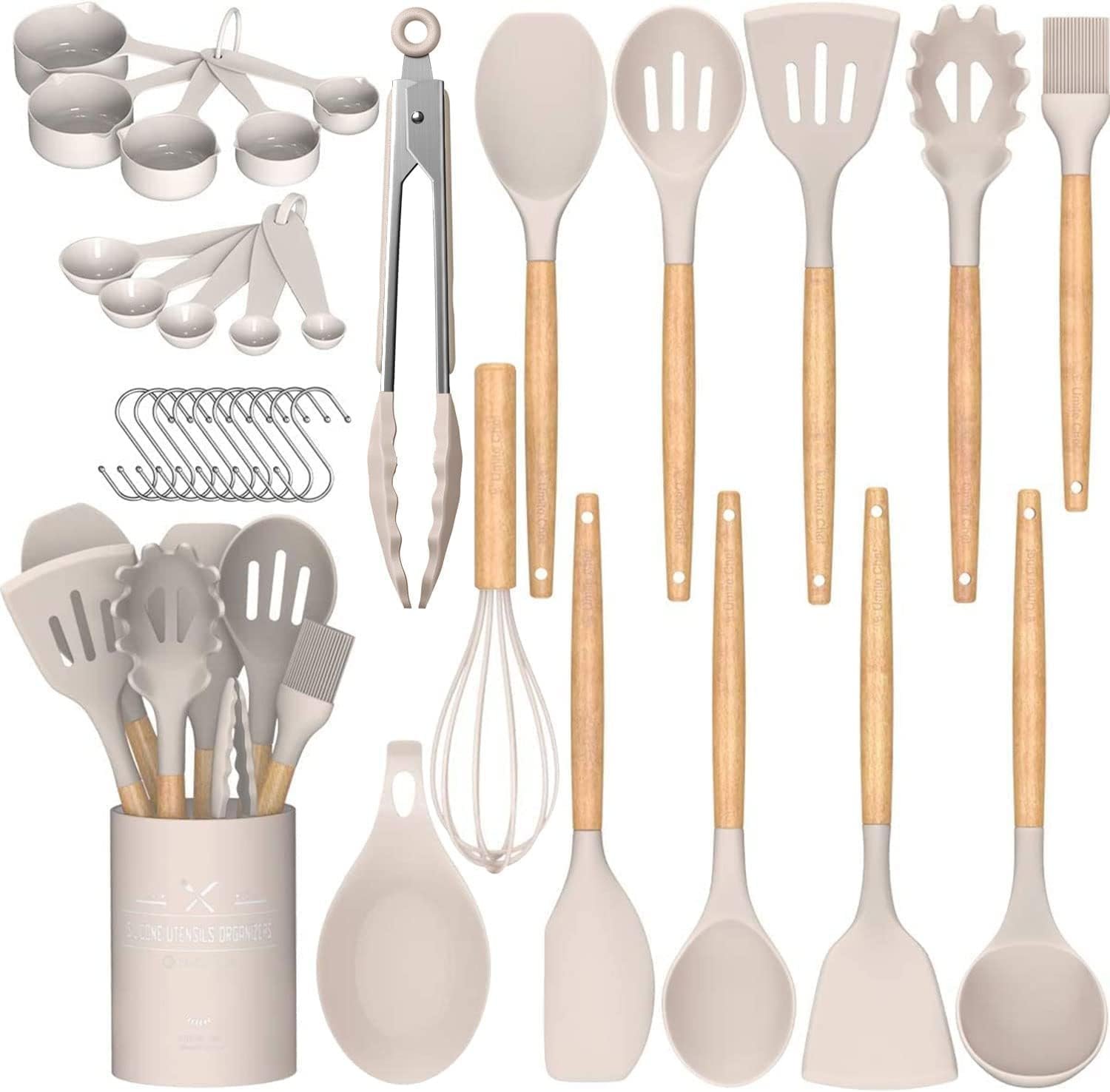
The Right Tools for the Job: A Step-by-Step Guide to the Umite Chef 33-Piece Cooking Utensils Set
The Umite Chef 33-Piece Silicone Cooking Utensils Set offers everything you need to cook like a pro: non-stick-safe silicone heads, solid wood handles, heat resistance up to 446°F
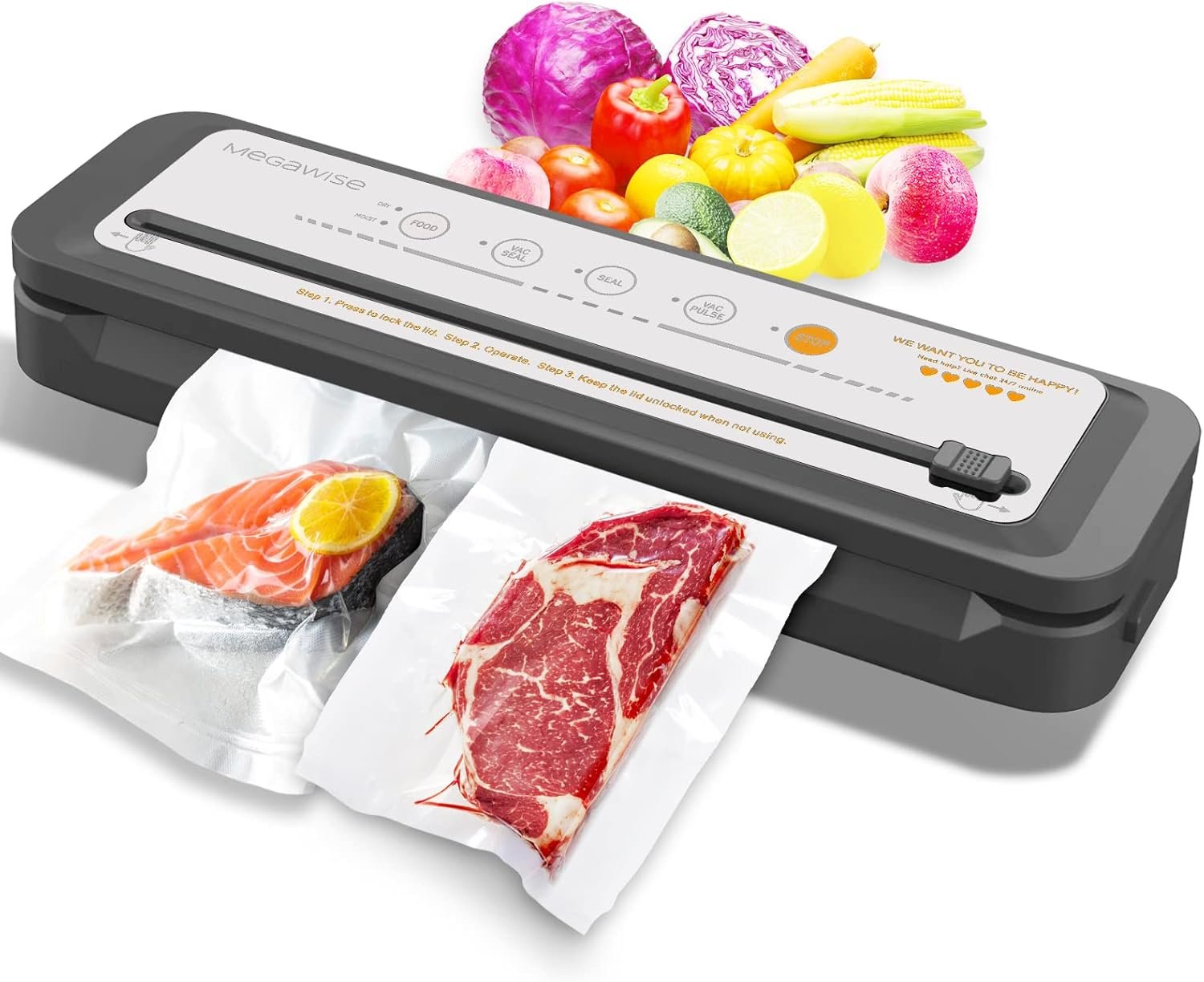
How a Compact Vacuum Sealer Helped Me Cut Down on Food Waste and Save Time in the Kitchen
The MEGAWISE Food Vacuum Sealer Machine is a compact, easy-to-use solution for smarter food storage. With 80kPa suction, one-touch operation, and built-in cutter, it helps home coo
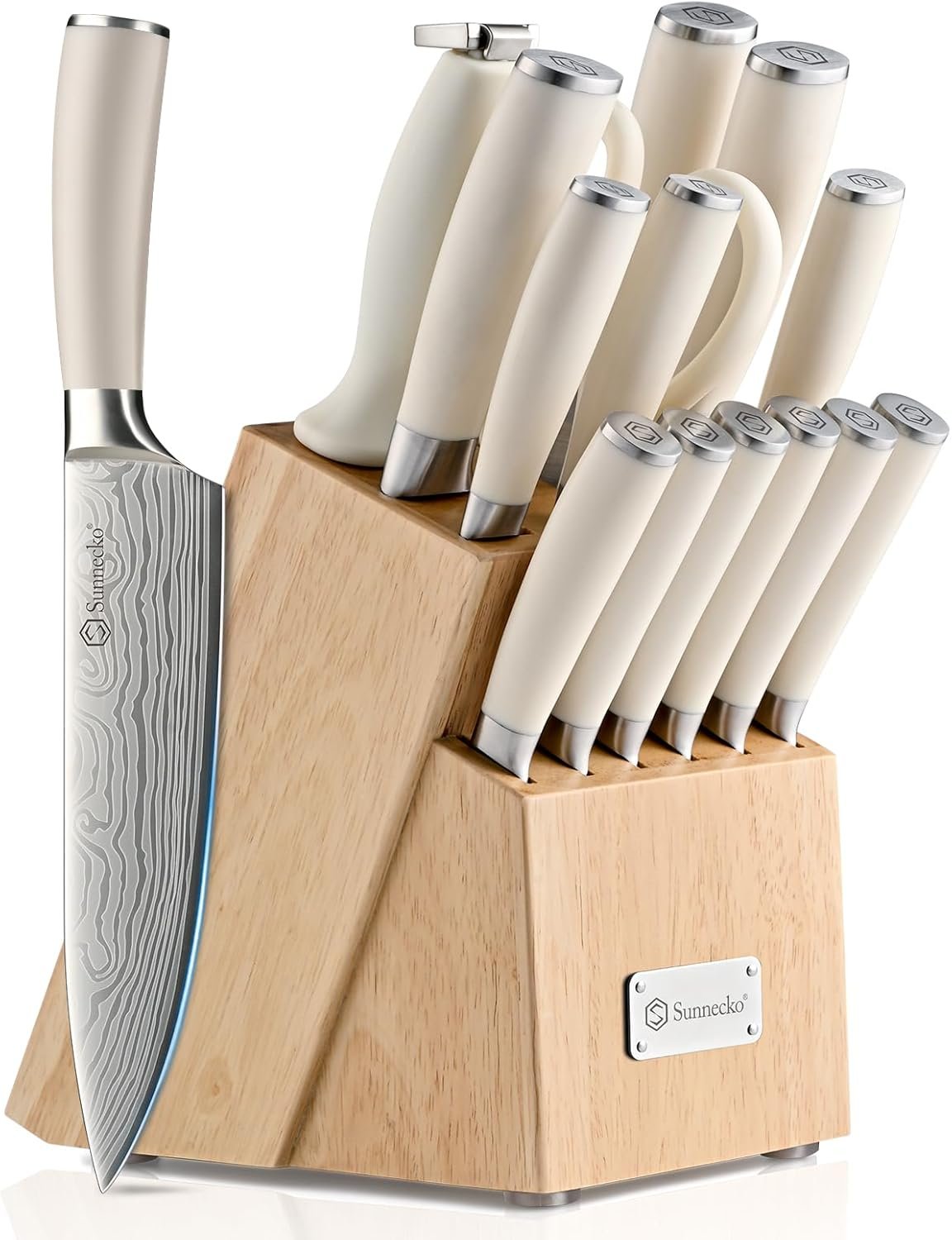
Sharp, Stylish, and Built to Last: Why This Knife Set Belongs in Your Kitchen
The Sunnecko 15-Piece Kitchen Knife Set blends style and substance with high-carbon stainless steel blades, ergonomic white handles, and a built-in sharpener — all housed in a cl
Flip It Right the First Time: Why This Spatula Set Should Be in Every Kitchen
The ChefAide 5-Piece Silicone Spatula Set is a kitchen upgrade that brings pro-level durability into your everyday cooking. Heat-resistant up to 600°F and built with a seamless, s
Key Lessons
The case study demonstrates that an ultra-soft microfiber polishing cloth should be evaluated as part of a system rather than as a miracle material. Surface preparation, cloth cleanliness, compatible products, correct technique, and proper laundering all influence the outcome.
When shopping, look beyond words such as premium or ultra-soft. Check the dimensions, fiber composition when provided, weave or pile description, edge construction, intended applications, package quantity, and care instructions.
If you’re purchasing through an auction marketplace, condition deserves particular attention. Confirm whether the cloths are new and how many are included. Inspect the packaging in listing photographs and calculate any fees or delivery costs before deciding what the lot is worth.
| Before Buying | Why It Matters |
|---|---|
| Check intended use | Not every microfiber cloth is designed for the same task |
| Check dimensions | Influences handling and usable surface area |
| Check quantity | Determines actual package value |
| Check care instructions | Supports proper maintenance |
| Check condition | Cleanliness is critical for surface-contact products |
FINAL METRICS SUMMARY:
- 3 defined workflow stages
- 1 dedicated cloth category instead of mixed-purpose towels
- Multiple working faces available through systematic folding
- Repeated inspection integrated throughout the job
- 1 central lesson: technique and cleanliness matter as much as softness
An ultra-soft microfiber polishing cloth is a modest tool, but this example shows how a modest change can make a surface-care routine more organized and deliberate. The greatest improvement was not a dramatic transformation of the vehicle. It was a better process—one that made every contact with the surface more intentional.
Browse our current auction listings, compare available ultra-soft microfiber polishing cloths, and bid on the option whose specifications, quantity, and condition fit your detailing routine.
Sorry, the comment form is closed at this time.